Feeds:
Posts
Comments

Wild Nature of San Francisco
Golden Gate Naturefest!
Sat & Sun: April 14 & 15, 2012

Come celebrate the natural wonders of San Francisco (and the end of tax
season!)! A group of experienced naturalists will be leading field trips, hikes bike tours, pond building, and other activities throughout SF and San Bruno Mountain on the weekend of April 14th & 15th!

More details about how to get involved.

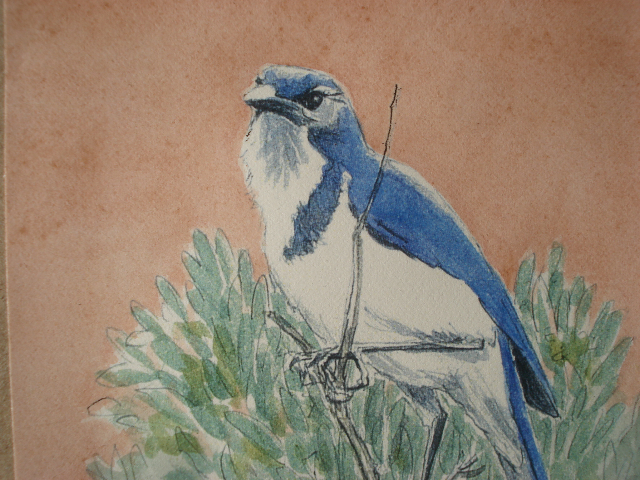
a small detail from the larger pieceRunning Landscapes/Life Studies –
A Year of Sketching San Francisco’s Wild Areas
Guest Speaker:  Nancy King & Mary Swanson
7:30pm, Thursday, April 19th, 2012
FREE at the Randall Museum, 199 Museum Way, San Francisco, CA

Last year, I was in an art contest (a fundraiser for SFLCV) with Nancy King & Mary Swanson. But really it was no contest. Their 16′ long panoramic drawing covering nine of San Francisco’s habitats with their birds, animals and plants is fantastically gorgeous.

They’ll share how their art connected them with nature and how time spent drawing the familiar transformed the common into the extraordinary.

This slideshow requires JavaScript.

It was 2008 when they began to see them: Harbor Porpoises slipping into the bay on high tides. They had not been seen there since the 40s. During WWII, a large net strung across the bay to keep enemy submarines out, also kept any other sizable fish out. Pollution in the bay may have also been a part of keeping them away– the Bay was more precious as a dumping ground than a natural resource.
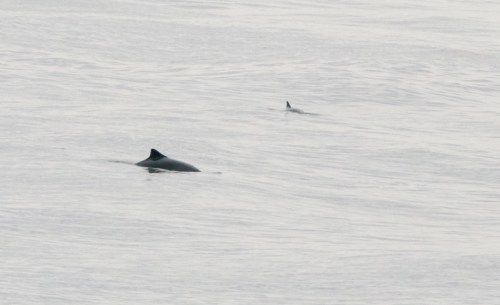
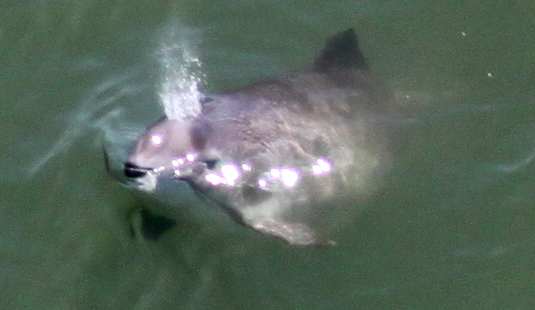
Harbor Porpoises from Cavallo Point

Happily, we know the Bay is doing better than it has for a long time, and this is yet another sign. It turns out that the Golden Gate Bridge is also an excellent observation platform. From the bridge and by boat, Golden Gate Cetacean Research, has been taking thousands of pictures to try an document this somewhat shy and elusive species. In logging all the hours taking those photos, Bill Keener and his colleagues, have learned more about Harbor Porpoises than any previous research anywhere else.

There is of course the things that are generally known. Porpoises  are the smallest member of the whale family. The harbor porpoise is one of 6 species of porpoise — up to around 5 feet long, a 150 pounds, and living for 10-12 years. Dolphins and porpoises were once though of as the same thing, but porpoises have a shorter beaks, and flattened spad-shaped teeth. Porpoises are also prefer cold waters, whereas dolphins can more generally be found in warm waters. They eat different fish, and porpoises do not have the same intelligence.

The whales in general are only very, very distantly related to pinnipeds: seals and sea-lions. Cetaceans originate from hoofed animals, whereas pinnipeds are more closely related to dogs.

Now the bridge and the bay (they have a permit to approach the animals by boat as well) are allowing Keener and his colleagues to learn a lot more. For the first time they’ve been able to identify individuals. From skin tones,  markings, and scars they’ve  identified almost 250 individuals. This takes a lot of work, not just taking all the photos (nearly 1000 a week), but reviewing them and matching them up to other photos, known and unknown individuals.

Nearly 25% have scars of one sort or another. Many look to have been made by fishing gear, a few by sharks, prop scars, but others mysterious. They’ve seen porpoises with skin lesions and copepod parasites hanging from them.

The porpoises come into the bay to take advantage of the bounty of the bay created by strong tidal fluctuations, where the river meets the sea, and the mixing of water columns where water lower down hits the cavallo spire just inside the bay, and brings lots of goodies up. The harbor porpoises come in to hunt anchovies, smelt, and squid, going under water for 60 seconds or so before coming back up for air (they can probably go under water for 5-10 minutes, but a minute is the norm). They don’t spend much time at the surface however. Though they can be seen to hunt by swimming on their side and spinning. Like dolphins they hunt with sonar, and an underwater microphone is being added to help track them.

The gold mine that the GGB is for studying porpoises though has been in seeing never before seen social behavior. Porpoises weren’t really believed to have any, but it is clear they gather in small groups of 5-7. But even better than that has been witnessing porpoise mating behavior. It is a quick affair. Porpoises have the big testes, 4% larger than their brain, the same size as the 50′ fin whale. The strategy is mate fast and mate often. Males swim up from behind, on the left side (this has been a mystery — it is speculated that it has to do with the asymmetry of their sonar) and often explode out of the water in the attempt to mate, their sex often on display. Female porpoises seem to take it as it comes, no courtship seemingly required, and there is no fighting between the males.

Gestation is almost 11 months long, and it seems that female porpoises might be pregnant or lactating their whole adult life. This is one of the questions the researchers have and hope to answer with patient observation.

To see them, head for the Golden Gate at a strong high tide… the researchers have seen as many as 115 passing under the bridge. This happens all year long. You can see them off cavallo point after the tide begins to ebb (where the photo above comes from).

You might also see dolphins. Dolphins have been coming into the bay since 1982 when unusually warm waters led them north. There are about 450 bottlenose dolphins who are known as a coastal sub species who like our rocky shores. Then tend to come in hugging the coast and baker beach, swimming in along Crissy field, likely looking for salmon, two or three times a week in the spring.
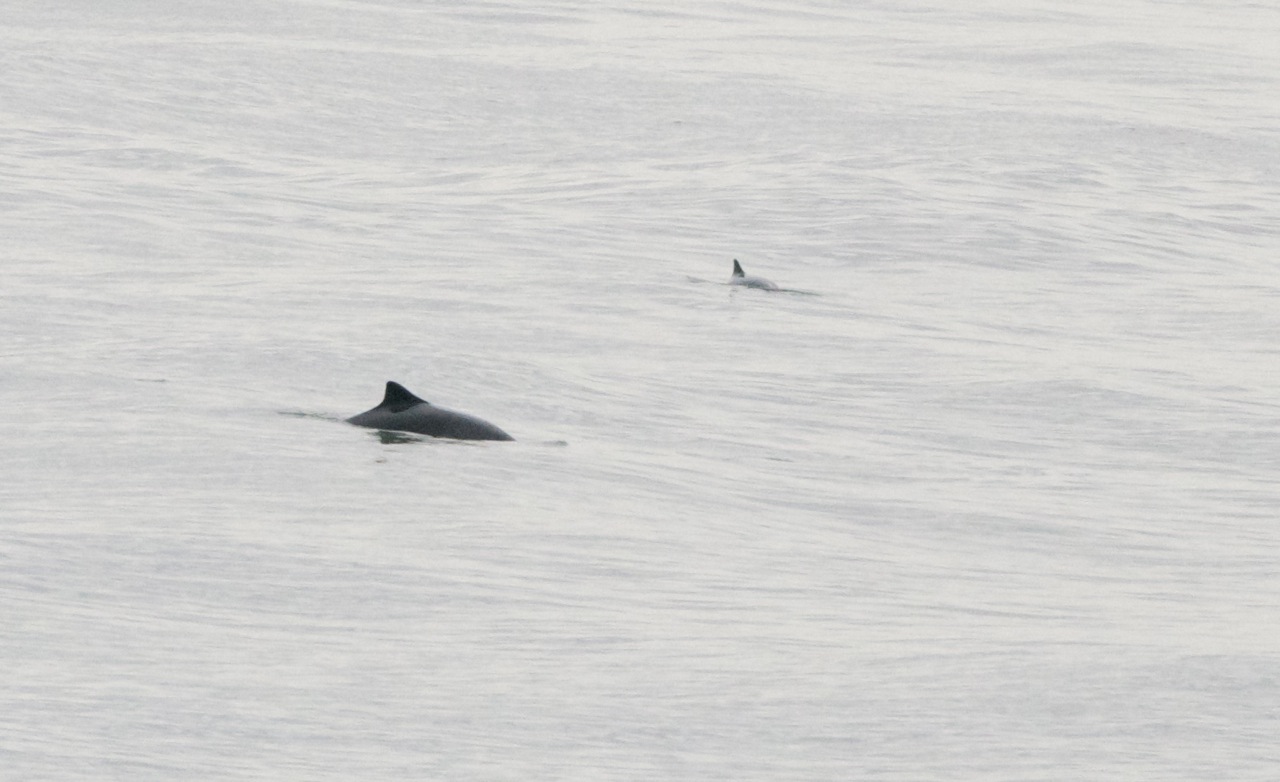
picture from Golden Gate Cetacean

Return of the Harbor Porpoises
Guest Speaker:  Bill Keener
7:30pm, Thursday, March 15th, 2012
FREE at the Randall Museum, 199 Museum Way, San Francisco, CA 

Bill Keener, cofounder of Golden Gate Cetacean Research, created to study the porpoise, will tell us of their disappearance by the 1940′s, the mystery of their unexpected return in recent years, and how you can help by reporting your porpoise sightings.

Bill’s experience includes work as a field observer for the harbor porpoise population study in the Gulf of the Farallones National Marine Sanctuary from 1987-1989.  He is an environmental lawyer and the former Executive Director of the Marine Mammal Center.

Read more about Bill and porpoises in Bay Nature magazine, Jul-Sep 2011, Safe Harbor, Welcoming Porpoises Back to San Francisco Bay.

Dr. Michael McGowan presented a question to us. The green sturgeon are in trouble as a species. But for a 100 million year old fish, how critical is a bay which is only 8,000 years old?

The problem is that San Francisco Bay is now demarcated as being habitat for this fish – a demarkation that makes certain aspects of human activity more difficult. The question sparked an interesting debate, about the need for good science to be behind decisions, about how much protection could be a good thing, and the possibilites of how the Bay might be critical habitat for future populations, and how driving decisions based on bad data might be ultimately harmful.

It seemed clear from Dr. McGowan’s presentation that there wasn’t a lot of good science to back up the idea that the Bay is critical habitat for green sturgeon – in particular large swaths of the south bay where the fish is rarely if ever found. Both green and white varieties of sturgeon can be found in the bay at large, but mostly for the green, the bay is just a transitional space heading from river to sea: green sturgeon spawn upstream, and the larva swim downstream and out into the ocean where they spend most of their lives.  White sturgeon hang about longer (and are now doing okay in the Bay after having suffered a fisheries collapse in the late 1800s, early 1900s). But white sturgeon data was used to guide the decision about the green sturgeon — a fish that has quite a different life cycle.

Declaring the Bay critical habitat, at the end of the day, looks like it may do nothing for the fish – we ultimately need to be finding out what other causes there might be for the fish’s problems: gravel mining, overfishing, etc. Maybe habitat is the issue, it just seems likely that it is not what is going on in the bay that is the issue.

All in all it was a great talk – lots of detail about these fascinating species of fish and our interaction with them (official caviar is technically the eggs from a particular species of sturgeon that swim the Volga). We all hope they stay around for another 100 million years at least!

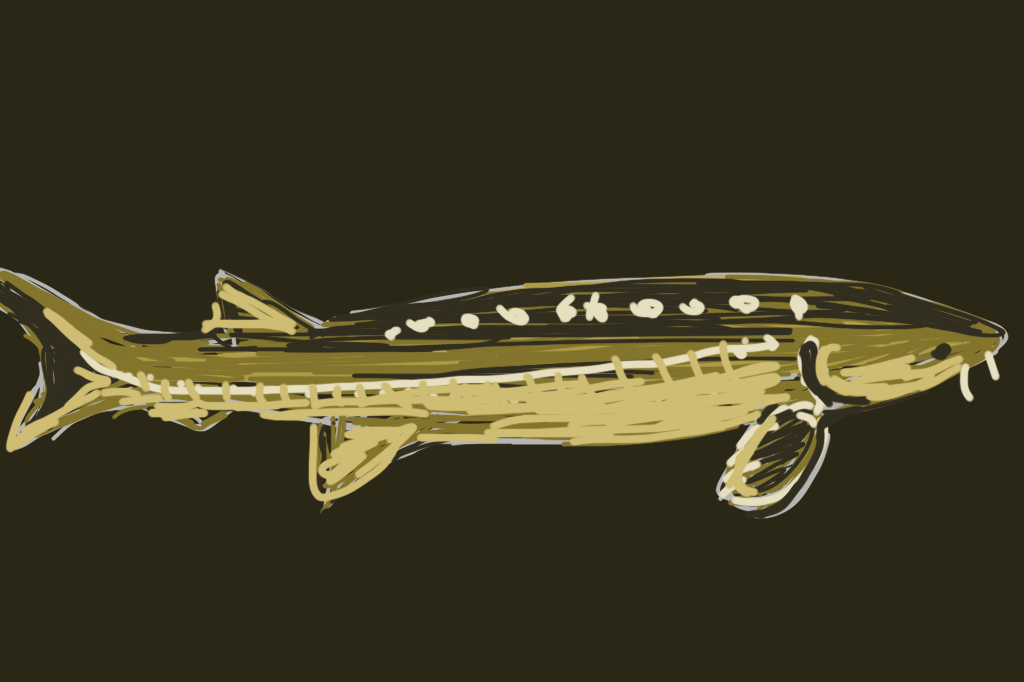
White Sturgeon in San Francisco Bay

The Sturgeon in San Francisco Bay:
How critical can a 10,000 year old Bay be for a 100 million year old fish?

Guest Speaker:  Michael McGowan
7:30pm, Thursday, February 16th, 2012
FREE at the Randall Museum, 199 Museum Way, San Francisco, CA 

Michael McGowan, fisheries oceanographer and aquatic ecologist, will discuss his research on how the ecology of the green and white sturgeon differ in their life history and in how they use the Bay.

White sturgeon are the largest fresh water fish in North America that can live over a hundred years and can grow to 20 feet long, and weigh 1500lbs. (more info)

Green sturgeon, up  to 7 feet long and 350lbs, seem to be a little more mysterious on the web, they are probably migratory salt water fish that probably spawn in fresh water. (more info)

Michael will fill in the details for us.

Predators Amongst Us

Glen Martin started off his talk with an anecdote: coming into his garage one night to find an opossum. He poked it with a broomstick to test the notion of “playing possum,” but the opossum did not play dead, but threatened him, opening up a mouthful of the biggest looking teeth he’d ever seen.

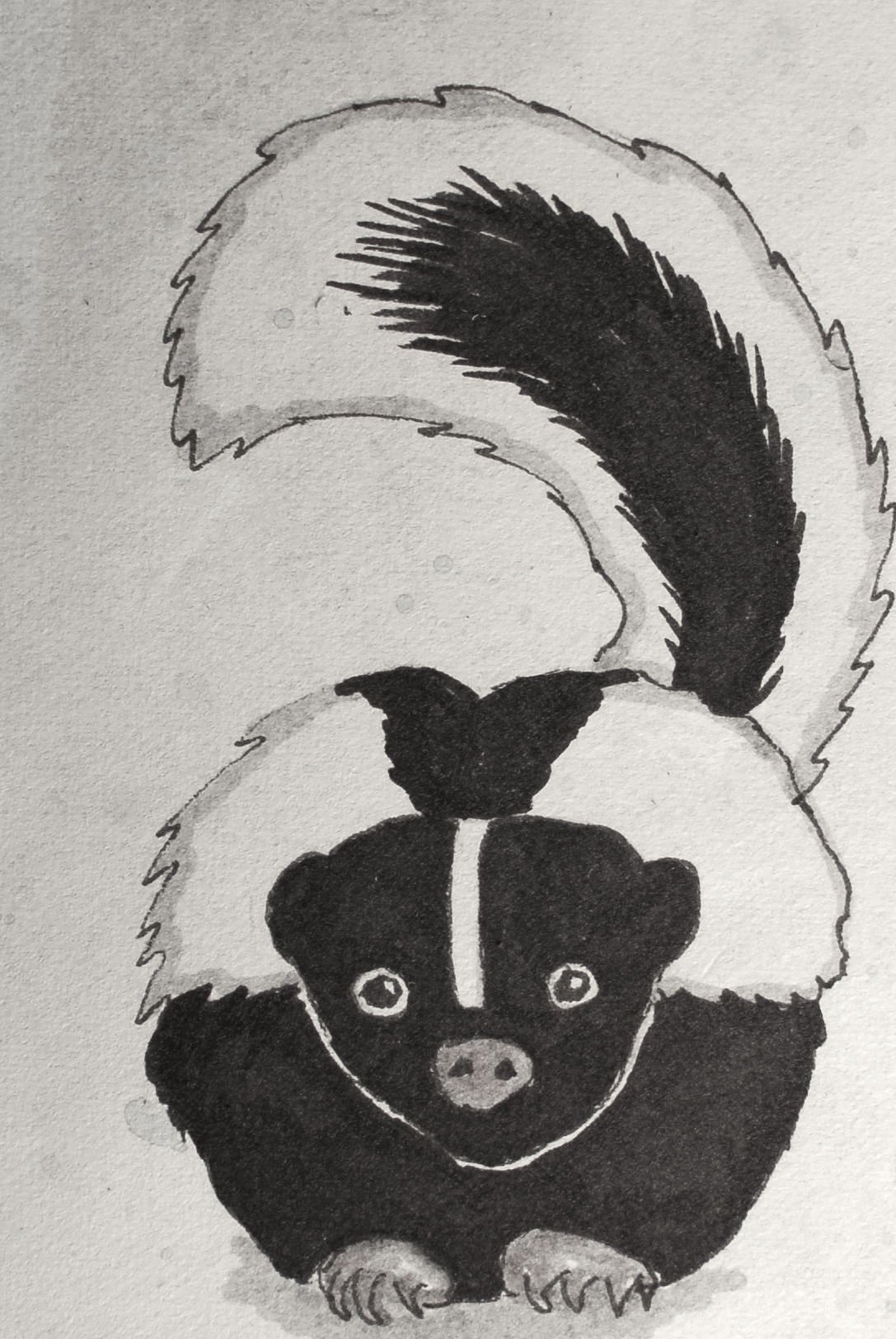
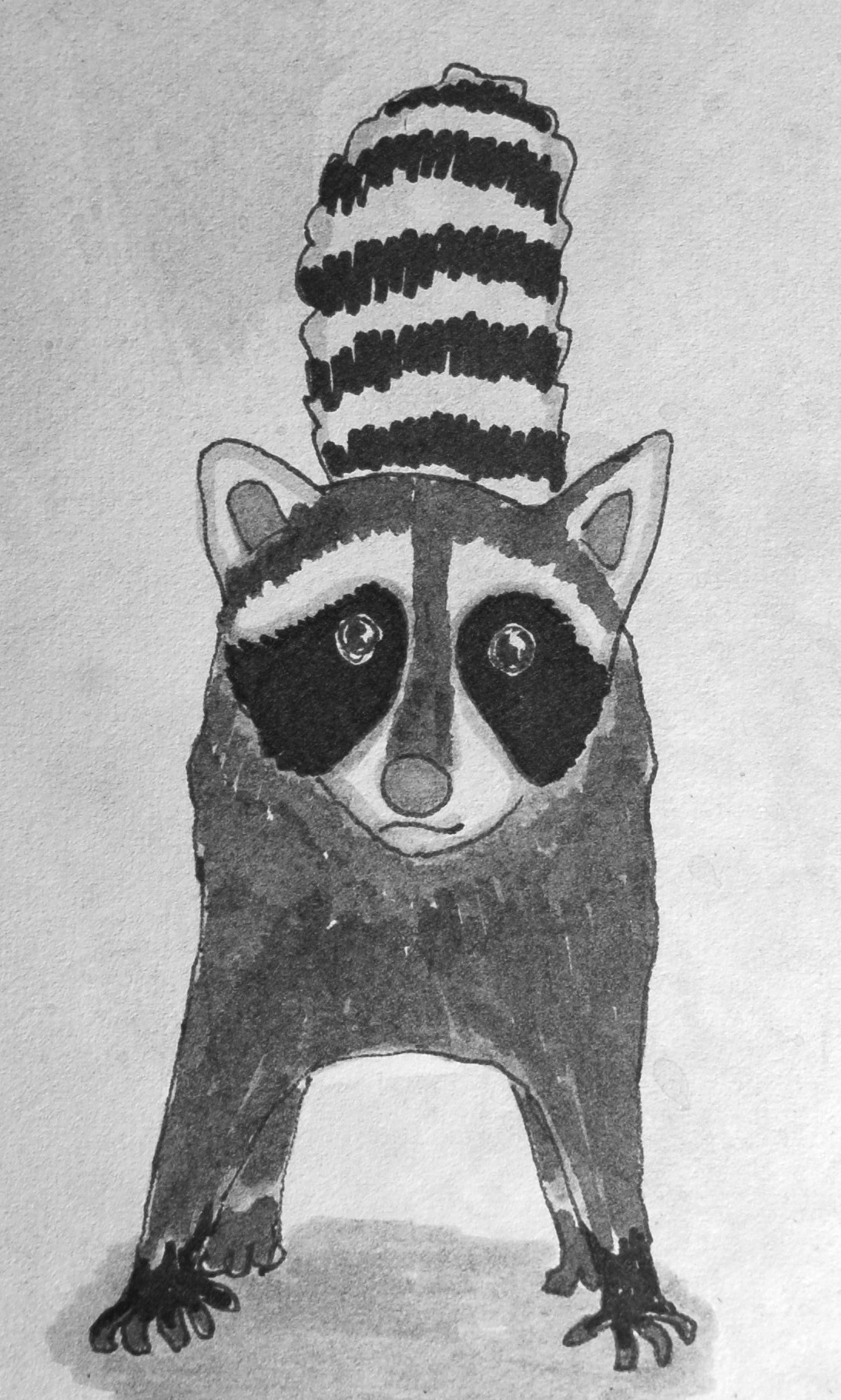
Opossums (and introduced species) and their “cousins” skunks, raccoons and others are doing well with those teeth, living in amongst us, and living off of us. Skunks love our lawns for their grubs and worms, raccoons love our garbage cans, and opossums seem to like to eat anything. With restoration efforts some of the less human adapted meso predators are doing well, ringtail cats in riparian environments, mink in the delta, and river otters.

Meso predators are defined by a certain mass and a certain function — they are not the top tier predator, but if the top is eliminated they can actually do quite well as the apex predator. This is what has happened to the coyote where wolves have been eliminated. The apex predators are often extremely unforgiving of the mesopredators: wolves will kill coyotes, lions will kill cheetahs and hyenas.

Of course meso predators can also have devastating effects. A guest of Mr Martin’s: Dr Frank talked about his experience studying (as a FWS tech) the Aleutian Goose in the Aleutian Islands, and how a fox introduced for their fur (in 1750), wiped clean of birds island after island. The foxes managed to survive after this decimation by living off of the abundance of isopods on the beach. More details of the Foxes here.

Glen Martin discussed feral cats as being a significant cohort of this type of predator, and their potential as a force for habitat discussion.

This most interesting part of the evening was the talk around the interrelation of predators and how changing those relationships adding or removing predators can have profound impacts on the local environment. The most famous example is that of Yellowstone where the re-introduction of wolves has  kept elk moving and out of the plains, which has allowed things like river side Willows to grow, which has provided fodder for beaver who also had been gone from the park.

But if you want to find out more about the meso-predators we live with, you can get an intro to the subject through his Bay Nature article from July 1st of 2011, the Middle Way.

The Golden Age of Mesopredators
Guest Speaker:  Glen Martin
7:30pm, Thursday, January 19th, 2012
FREE at the Randall Museum, 199 Museum Way, San Francisco, CA 

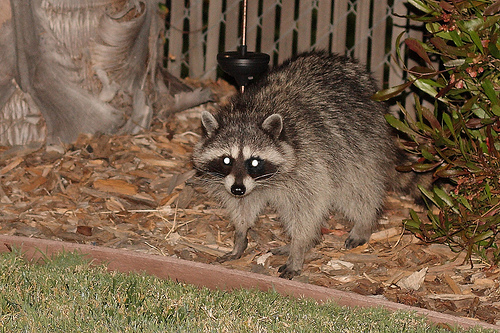
"intruder alert! intruder alert!" by slworking2

Glen Martin, former environmental reporter for the Chronicle, will recount how mid-level predators are thriving in the Bay Area.

You can get an intro to the subject through his Bay Nature article from July 1st of 2011, the Middle Way.

Jack Laws started his talk with a story of where careful observation can lead us.

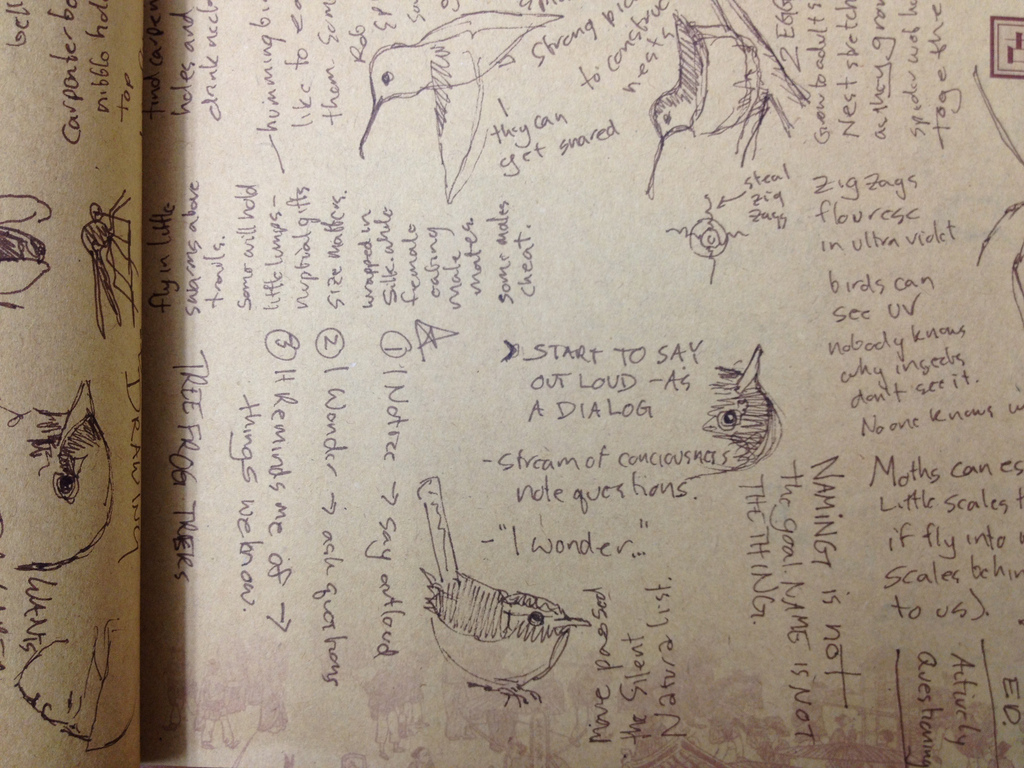
sketches from the lecture

It started with a moth which turned different colors depending on the leaf it could see and eat (the color change is not the same if done in the dark). Like a manzanita leaf which has bell shaped flowers that the bumble bees grab onto, hang upside down from, and buzz, to vibrate the nectar out to be collected. Other bees like carpenter bees, drill holes in from the top to collect the nectar, which Dance flies take advantage of when they are not hunting. When they are hunting the males (when they are not cheating) bring little presents for potential mates which they carry about in swarms you might find above a trail. Birds of course take advantage of this. Birds like hummingbirds who don’t just eat nectar, they do like a bug or too, and go so far as to rob spiders as well. Not just of meat, the hummingbirds also take strands of spider web to help hold their tiny little nests together, the elasticity and strength of the spider strands comes in handy as the nest needs to stretch to take in the tiny eggs, then the little but growing birds. The hummingbirds pick out the strands because they glow in UV which they can apparently see, but know one knows why bugs can’t see them. Moths though — like the one we started with, can escape a web thanks to the scales that cover their wings.

This is one but of many equally fascinating stories all around us. But it takes effort to see it. He gave us a couple tools to do that. First is to leave the name behind: the name is not the thing. It is an important tool of science, but can shut us down to seeing the thing.

Second, is to get in a dialog with whatever that creature is. The important thing here he suggests is to say it out loud — our minds are excellent machines for forgetting, and speaking things out loud is a way around this. And when we are in this dialog, we should say

  • what we notice…
  • what we wonder…
  • what it reminds us of..

He ran us through a test of this, a bird with not quite a white ring around the eye, a slight white beard, a puffed up orange breast with a spiderweb pattern of white across it, the breast was not as red as we expected, its tail feathers had white dashes. We wondered how old it was, what it was doing on the branch, if it ate the berries in the picture. The bird was an American Robin, but I don’t think many of us had looked so closely.

Drawing is of course another way of seeing, and another way of heading off our brain’s forgetting machinery.

For this, Laws is hoping to turn the bay area into a field sketchbook mecca. He firmly believes anyone can learn the skill of drawing. You can find out more about these efforts (and how to draw a bird) on his website johnmuirlaws.com

Reclaiming the Art of Natural History 
Guest Speaker:  John (Jack) Muir Laws
7:30pm, Thursday, November 17th, 2011
FREE at the Randall Museum, 199 Museum Way, San Francisco, CA 

This is our last talk of 2011. We should have announcements about some of next year’s schedule soon.

The Coast Ranges extend north-south for over 600 miles, more than two-thirds the length of the state. The variety of elevations, rock types, and climate zones in this group of mountain ranges supports a remarkable diversity of plant and animal life. Through an illustrated lecture, John (Jack) Muir Laws will lead us on a virtual walk across the Coast Ranges, exploring delightful relationships between plants and animals as we go. Along the way, we will learn a three-step process that will help us see more and think like naturalists. Jack will also discuss some of the conservation challenges in the region and what stewards of nature are doing to confront them. Whether you’re a botanist, birder or hiker, don’t miss this great opportunity to enrich your next exploration along the coast!

Jack delights in exploring the natural world and sharing this love with others.  He has worked as an environmental educator for over 25 years in California, Wyoming, and Alaska.  He teaches classes on natural history, conservation biology, scientific illustration, and field sketching. He is trained as a wildlife biologist and is an associate of the California Academy of Sciences. He has written and illustrated books about the natural history of California including Sierra Birds: a Hiker’s Guide(2004), The Laws Guide to the Sierra Nevada (2007), and The Laws Pocket Guide Set to the San Francisco Bay Area (2009). He is a regular contributor to Bay Nature magazine with his “Naturalists Notebook” column.
Learn more at his website: